

May 23, 2025
How to Make Money from Goat Farming in Kenya
Goat farming in Kenya presents a lucrative opportunity for farmers to diversify their income and tap into both local and international markets. When farmers leverage innovation, partnerships, and modern farming techniques, Kenyan farmers can maximize their profits. In this article, we discuss some of the best ways to make money from goat farming. With this knowledge, you can take advantage of these opportunities and resources available in Kenya.
1. Sell Exotic Breeding Stock to Goat Farmers
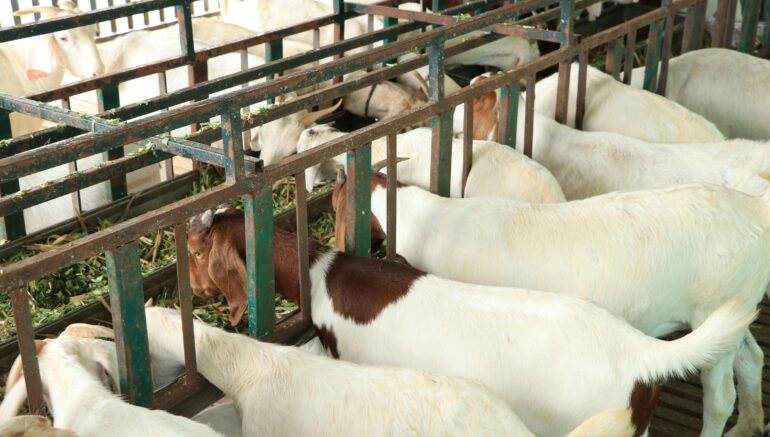
Breeding stock refers to high-quality goats used for reproduction to improve genetics. Farmers who specialize in breeding exotic goat varieties such as Boer goats, Saanen, and Alpine goats can sell them at premium prices. These breeds are known for their high productivity, whether in meat, milk, or overall hardiness. By investing in proper breeding practices, vaccination programs, and effective marketing, farmers can position themselves as trusted suppliers of breeding stock. Listing your exotic stock on platforms like Upmarket Agribazaar can help you reach and attract a wider audience.
2. Sell Goat Milk to Grocery Shops and Cosmetic Industries
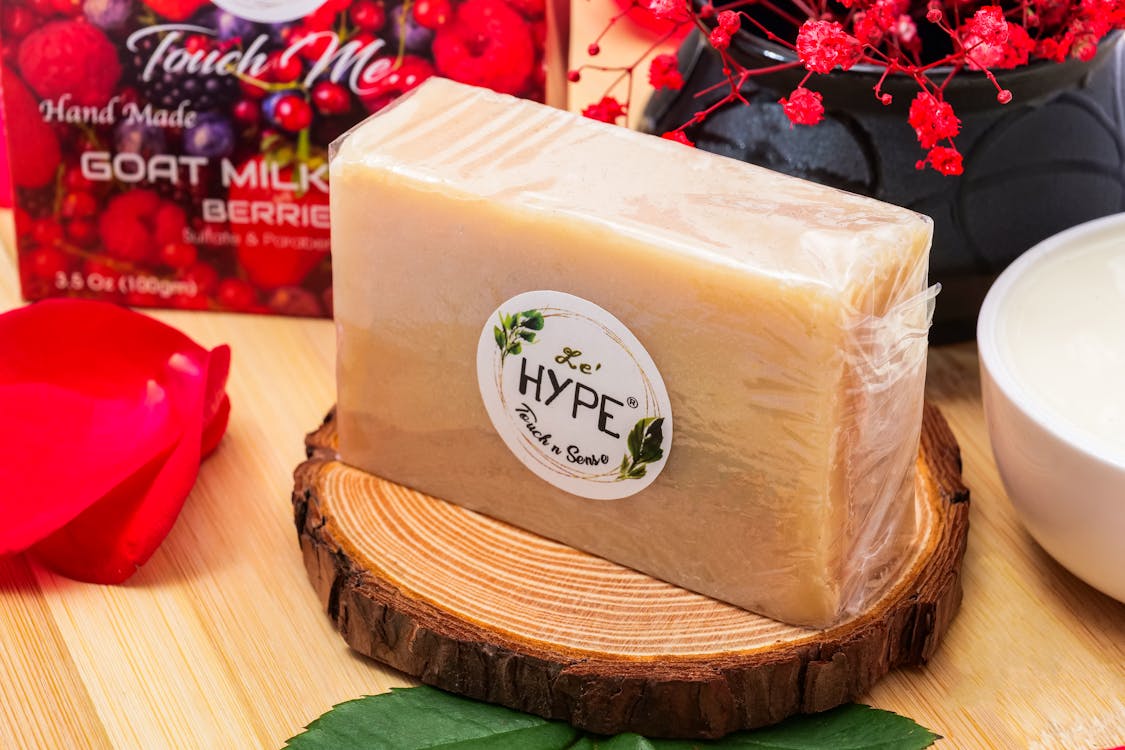
Goat milk has high nutritional value and is known for being easier to digest compared to cow’s milk. The demand for goat milk is rising as consumers seek healthier and more diverse dairy products. Besides selling to local grocery shops, goat milk can also be supplied to cosmetic companies that use it for products like soap, lotions, and creams due to its skin-nourishing properties. If you are a goat farmer, we encourage you to approach beauty and cosmetic companies to establish partnerships with both local retailers and small-scale manufacturers to ensure a steady market. If you are a goat farmer and would like to sell goat milk, Upmarket Agribazaar also provides you a platform to sign up here.
3. Sell Goat Skins to Leather Industries
Goat skin is a valuable byproduct that is used extensively in the leather industry for making items such as gloves, bags, and jackets. By selling tanned or raw goat skins to local leather processors or international buyers, farmers can earn additional income. Partnering with established leather tanneries and marketplaces ensures a consistent buyer base. Companies you can call, visit, or email as a goat farmer include:
- Kenya Leather Development Council (KLDC) – This is a government agency supporting leather industries in Kenya, and it connects farmers with tanneries.
- Kenya Leather Industries (KLI) – Located in Nairobi, this is one of the largest leather industries in the country, known for producing high-quality leather goods.
- Rivatex East Africa Limited – Located in Eldoret, Rivatex is involved in the processing of leather and could be an avenue for selling goat skins.
- Consolidated Leather Industries – Based in Nairobi. The company processes hides and skins, and purchase goat skins from farmers on need basis.
- Kahama Leather Ltd – Located in Nairobi, Kahama Leather processes skins and offers leather products, and it could be a potential buyer for goat skins.
- Mombasa Leather Industries – Based in Mombasa, this company specializes in leather products and could be a source for selling goat skins.
4. Sell Cashmere to Textile and Cotton Industries
Cashmere is a high-value product derived from specific goat breeds known for their soft, fine undercoats. The global demand for luxury fabrics has made cashmere an appealing commodity. Although more commonly associated with regions like Mongolia, Kenyan farmers can explore raising cashmere goats under suitable conditions. Collaborating with local textile mills and exporting to international fashion markets can significantly your boost revenue.
5. Sell Goat Milk to Yoghurt Grocery Shops
The Kenyan dairy sector is expanding, and goat milk yoghurt is becoming a popular alternative to traditional cow milk products. By producing and packaging goat milk yoghurt, farmers can tap into a niche market that values health and uniqueness. Farmers may collaborate with local dairy processors or set up their own production facilities, ensuring compliance with food safety standards to meet consumer expectations.
6. Produce and Sell Goat Cheese
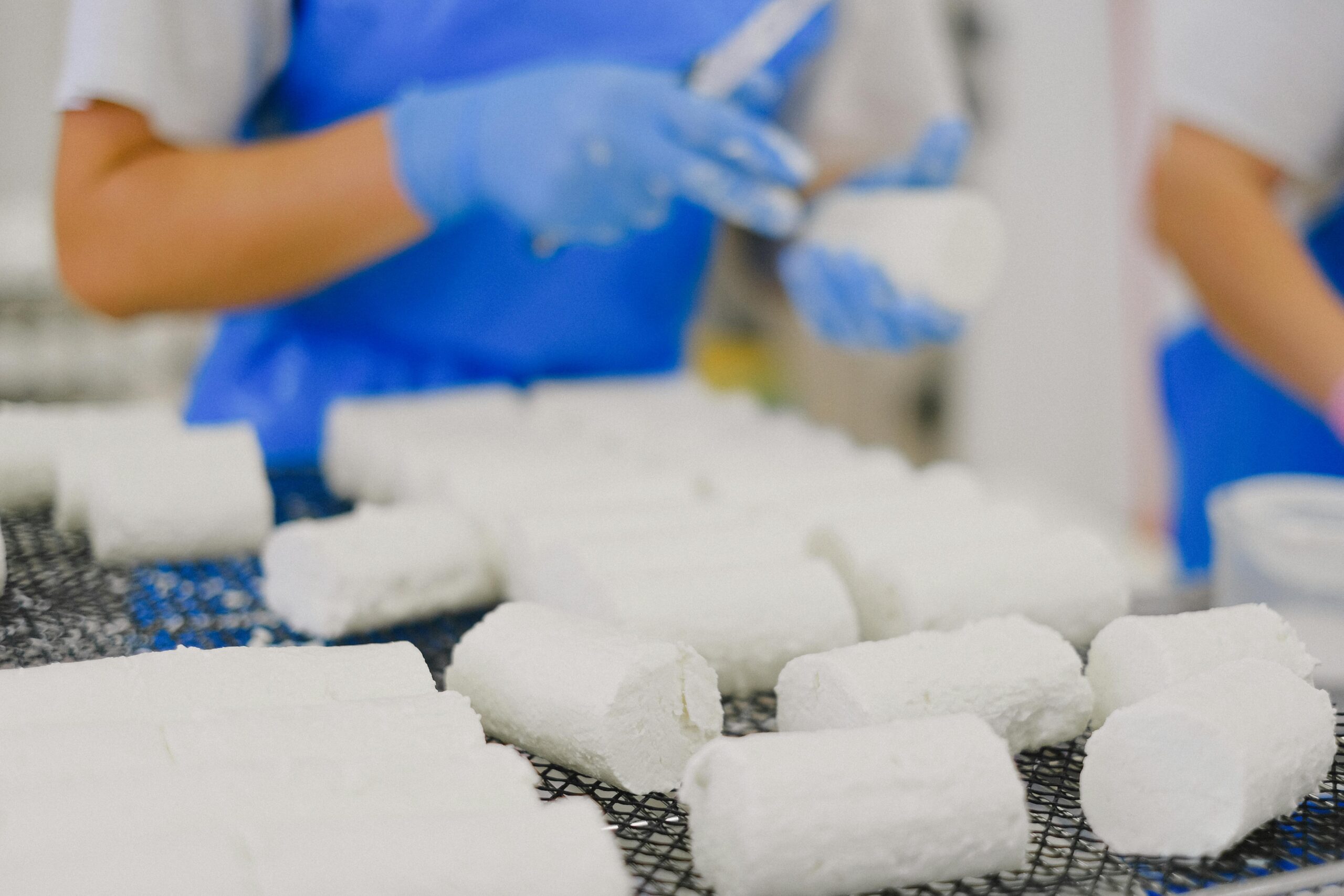
Cheese made from goat milk, such as Chevre, has a distinct taste and texture that many consumers find appealing. With proper training in cheese-making techniques and adherence to quality standards, goat farmers can produce cheese for both local and international markets. Listing your products on online platforms like Upmarket Agribazaar can increase visibility and attract potential buyers looking for specialty dairy products.
7. Sell Mutton to Meat Dealers and End Consumers
Goat meat (mutton) is a popular source of protein in Kenya, favored for its flavor and nutritional benefits. Farmers can supply mutton to local butcheries, supermarkets, and restaurants. Establishing direct relationships with meat processors and consumer cooperatives can ensure a consistent demand for your livestock. Offering competitive prices and maintaining high standards in slaughtering and hygiene can position you as a reliable supplier.
8. Sell Live Goats of Different Sizes and Ages
Live goats are often sold for various purposes, including breeding, ceremonies, and traditional events. Farmers can profit by raising goats of different sizes and ages to meet these needs. Marketing through social media, local agricultural fairs, and online marketplaces like Upmarket Agribazaar can help expand your customer base and increase sales.
9. Collect and Sell Goat Manure
Goat manure is one of the most nutrient-rich animal manures and is highly sought after by gardeners and farmers who practice organic farming. Unlike some other animal wastes, goat manure is relatively dry and easy to collect and handle. Selling goat manure to local farms and horticultural businesses can provide an additional revenue stream. Collaborating with organic farming associations and nurseries can create long-term business relationships.
Conclusion
Goat farming in Kenya has alot of avenues for profit, from selling high-value breeding stock and goat milk products to marketing goat manure and skins. If you are a goat farmer in Kenya, you should leverage online platforms like Upmarket Agribazaar and build partnerships with local and international industries to maximize your reach and income. By diversifying your products and ensuring high-quality production, as a goat farmer, you can establish yourself in competitive markets and build a sustainable business.