


May 3, 2025
Where To Sell Farm Produce in Kenya.
The agricultural sector remains the backbone of Kenya’s economy, contributing significantly to the country’s GDP and providing livelihoods for millions of Kenyans. However, one of the biggest challenges farmers face is finding reliable and profitable markets for their produce. With technological advancements and changing consumer preferences, the agricultural marketplace in Kenya has evolved significantly in 2025.
This comprehensive guide by Upmarket Agribazaar explores the various channels available for Kenyan farmers to sell their produce profitably, from traditional physical markets to innovative digital platforms, export opportunities, and value addition strategies.
Online Agricultural Marketplaces
Digital platforms have revolutionized how farmers connect with buyers in Kenya. Here are the top online marketplaces where you can sell your farm produce in 2025:
1. Upmarket Agribazaar
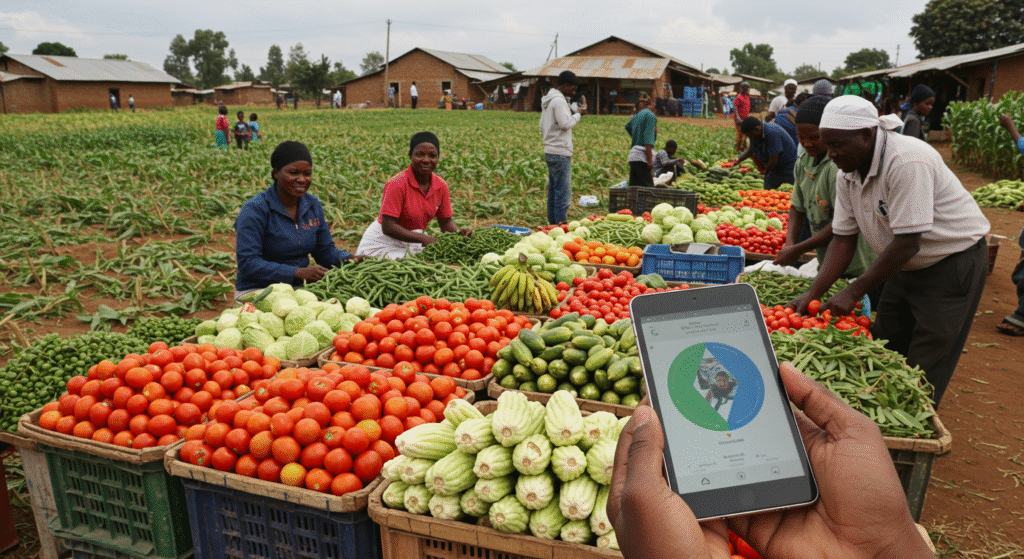
Upmarket Agribazaar is Kenya’s premier agricultural e-commerce platform connecting farmers directly with buyers, eliminating middlemen and ensuring fair prices. The platform specializes in fruits, vegetables, cereals, and animal products.
Key Features:
- One-time signup fee of Ksh. 1000.00
- Zero listing fees for all farmers
- Quality verification process
- Real-time email market pricing information
2. Twiga Foods
Twiga Foods connects farmers with retailers, providing a guaranteed market for fresh produce.
Contact Information:
- Website: https://twiga.com
3. M-Farm
M-Farm offers price transparency and market linkage services for smallholder farmers.
Contact Information:
- Website: https://mfarm.co.ke
4. Selina Wamucii
Selina Wamucii connects smallholder farmers to export markets.
Contact Information:
- Website: https://selinawamucii.com
5. Farmers Market Kenya
Farmers Market Kenya specializes in organic and premium produce.
Contact Information:
- Website: https://farmersmarketkenya.com
Physical Markets and Collection Centers
Traditional markets remain vital channels for selling farm produce in Kenya:
1. Wakulima Market (Marikiti)
Located in downtown Nairobi, this is Kenya’s largest wholesale market for fresh produce.
2. Kongowea Market, Mombasa
The largest fresh produce market in the coastal region.
3. Karatina Market, Nyeri
One of Central Kenya’s largest agricultural markets, especially for potatoes, cabbages, and other highland produce.
4. Eldoret Municipal Market
Major market serving the North Rift region.
5. Nakuru Wholesale Market
Central market serving the South Rift region.
Export Opportunities
Kenya’s strategic location and favorable climate make it ideal for producing export-quality agricultural products:
1. Kenya Export Promotion and Branding Agency (KEPROBA)
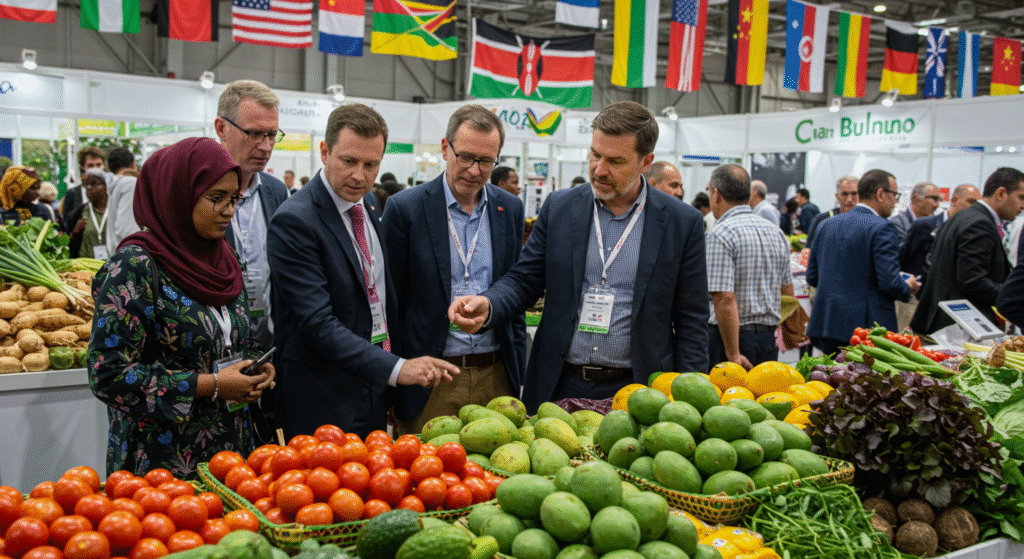
KEPROBA provides support and information for farmers looking to export their produce.
Contact Information:
- Email: info@brand.ke
2. Horticultural Crops Directorate (HCD)
Regulates and promotes the export of horticultural products from Kenya.
Contact Information:
- Website: https://hcd.go.ke
- Email: info@hcd.go.ke
3. Kenya Plant Health Inspectorate Service (KEPHIS)
Provides phytosanitary certification required for exporting agricultural products.
Contact Information:
- Website: https://kephis.org
- Email: director@kephis.org
4. Fresh Produce Exporters Association of Kenya (FPEAK)
Supports farmers in meeting international export standards.
Contact Information:
- Website: https://fpeak.org
- Email: info@fpeak.org
Direct-to-Consumer Sales
Cutting out intermediaries allows farmers to capture more value:
1. Farmers’ Markets
Regular markets where farmers sell directly to consumers:
- Karengata Farmers Market Location: Karen, Nairobi Schedule: Every Saturday, 9 AM – 2 PM.
- Organic Farmers Market Location: Bridges Organic Restaurant, Nairobi Schedule: Every Saturday, 10 AM – 3 PM
- Limuru Farmers Market Location: Limuru Town Schedule: Tuesdays and Fridays, 7 AM – 4 PM.
2. Community Supported Agriculture (CSA)
Subscription-based model where consumers pay upfront for regular deliveries:
- Sylvia’s Basket Website: https://sylviasbasket.co.ke
- Kalimoni Greens Website: https://kalimonigreens.com
3. Farm Shops and Roadside Stands
Strategic locations where farmers can sell directly to passing customers:
- Best locations include major highways (Nairobi-Nakuru, Mombasa Road, Thika Road)
- Trading permits available from county governments
- Contact your local county agricultural office for licensing requirements
Contract Farming
Secure your market before planting through contractual agreements:
1. Food Processing Companies
- Kenya Breweries Limited Crops: Barley, sorghum Website: https://eabl.com
- Del Monte Kenya Crops: Pineapples Website: https://www.delmontekenya.com
- Bidco Africa Crops: Sunflower, soya beans Website: https://bidcoafrica.com
2. Supermarket Chains
- Naivas Supermarke Fresh Produce Department webiste https://naivas.online/
- Carrefour Kenya Supplier Portal: https://www.carrefour.ke/suppliers
- Quickmart Supermarkets Fresh Produce Department: website: https://quickmart.co.ke
3. Hotel and Restaurant Chains
- Kenya Tourism Federation Website: https://ktf.co.ke
- Sarova Hotels Procurement Office: website: https://www.sarovahotels.com
Value Addition Opportunities
Transform raw produce into higher-value products:
1. Food Processing
- Kenya Industrial Research and Development Institute (KIRDI) Offers training and facilities for food processing Website: https://www.kirdi.go.ke
2. Packaging and Branding
- Kenya Bureau of Standards (KEBS) For standardization and certification Website: https://www.kebs.org
3. Cold Storage Solutions
- ColdSolutions Kenya Website: https://coldsolutionskenya.com
Government Programs
Leverage government initiatives to access markets:
1. National Cereals and Produce Board (NCPB)
Purchases cereals from farmers at guaranteed prices.
Contact Information:
- Website: https://www.ncpb.co.ke
- Email: info@ncpb.co.ke
2. Kenya National Trading Corporation (KNTC)
Facilitates market access for various agricultural products.
Contact Information:
- Website: https://www.kntc.co.ke
- Email: info@kntc.co.ke
3. Agricultural Finance Corporation (AFC)
Provides financing for agricultural production and marketing.
Contact Information:
- Website: https://www.agrifinance.org
- Email: info@agrifinance.org
4. One County One Product (OCOP) Initiative
Supports specific agricultural products in each county.
Contact Information:
- Website: https://www.industrialization.go.ke
- Contact your County Agricultural Office for local implementation details
Tips for Maximizing Your Sales
1. Understand Market Requirements
Different markets have specific requirements for quality, quantity, and consistency. Research and understand these requirements before production.
2. Invest in Post-Harvest Handling
Proper sorting, grading, packaging, and storage significantly increase the value and shelf life of your produce.
3. Join Farmer Groups or Cooperatives
Collective marketing increases bargaining power and reduces individual transaction costs.
4. Embrace Digital Marketing
Use social media platforms to showcase your produce and reach more customers:
- Create a business page on Facebook and Instagram
- Join agricultural WhatsApp groups
- List your products on local e-commerce platforms
5. Build Strong Relationships with Buyers
Reliability and consistency are key to establishing long-term relationships with buyers.
Conclusion
Kenya’s agricultural marketing landscape has evolved significantly in 2025, offering farmers more opportunities than ever before. The key to success lies in understanding the various marketing channels available and selecting those that best match your production capacity, location, and type of produce.
At Upmarket Agribazaar, we’re committed to helping Kenyan farmers navigate these opportunities and connect with the most profitable markets. Register on our platform today to access our comprehensive market linkage services, real-time price information, and logistical support.
FAQs
What types of produce are in highest demand in Kenya in 2025?
- High-value horticultural crops (tomatoes, onions, capsicum), indigenous vegetables (amaranth, spider plant, African nightshade), and fruits (avocados, passion fruits, mangoes) continue to have strong demand in both local and export markets.
How can I ensure I receive fair prices for my produce?
- Join farmer groups for collective bargaining, use price information services like M-Farm, and explore multiple marketing channels to compare offers.
What documentation do I need to sell my produce?
- Basic requirements include business registration, tax compliance certificate, and for certain markets, certificates of origin and phytosanitary certificates for exports.
How can small-scale farmers compete with large commercial farms?
- Focus on niche products, join cooperatives, embrace organic farming, and leverage direct-to-consumer sales channels.
What financing options are available for marketing agricultural produce?
- Options include AFC loans, SACCO financing, mobile loan platforms like Digifarm, and agricultural grants from organizations like USAID and the World Bank.